
Online casino games can be entertaining, but their outcomes are uncertain. An odds calculator can help UK players understand probabilities, compare game mechanics and set realistic expectations. It cannot predict a result or turn a game with a house edge into a guaranteed profit. This review looks at how to assess odds at Lucky Charms Casino, what information to check before playing, and how to use probability responsibly.
What an odds calculator can—and cannot—tell you
An odds calculator estimates the likelihood of a defined outcome using the game’s rules and, where available, its published mathematical details. In a slot, that might mean the chance of a particular symbol combination. In blackjack, it could estimate the likelihood of winning a hand under specified rules and decisions. For roulette, it can show the probability of a ball landing on a chosen number or colour.
These calculations describe probabilities over many trials, not promises about the next spin or hand. A slot result is not “due” because a player has not won recently. Each spin on a properly functioning random game is independent, even when a short run of results looks unusual.
Odds, probability and RTP are different measures
- Probability describes how likely a particular outcome is, usually as a fraction, decimal or percentage.
- Odds may express the relationship between favourable and unfavourable outcomes. The format can vary, so check how a calculator defines it.
- Return to player (RTP) is a theoretical average return over a very large number of plays. It is not a forecast for one session.
- Volatility describes how variable a game’s results tend to be. A high-volatility game may produce less frequent wins with larger swings; it does not necessarily offer better overall value.
- House edge is the casino’s theoretical advantage under the stated rules. Where applicable, it is broadly related to RTP by the formula 100% minus RTP.
For example, a slot listed at 96% RTP is not expected to return £96 of every individual £100 played. That figure is a long-run theoretical statistic; A short session may return more, less or nothing, and the game’s actual configuration should be checked rather than assumed.
Checking game information at Lucky Charms Casino
Before relying on any calculator, identify the exact game and the rules that apply to it. Casino catalogues can include titles from different software providers, and the same game may appear in more than one version. RTP settings, paytables, bonus features and table-game rules can differ. Look for the game’s information panel, rules page or paytable, and confirm that the details correspond to the version available in your account.
We do not assume that every title or feature is available at Lucky Charms Casino at all times. Game selection and terms can change, and availability may depend on location, account status and the operator’s current arrangements. UK players should check the casino’s current terms, licensing information and responsible-gambling facilities before registering or depositing. An odds tool should supplement those checks, not replace them.
What to enter into a calculator
A useful calculator needs accurate inputs. Depending on the game, these could include the number of pockets on a roulette wheel, the payout for a bet, the number of cards remaining in a deck, the blackjack rules, or a slot’s published probabilities. Some calculators use simplified assumptions. If a tool does not explain its method, treat its output cautiously.
For a simple roulette example, a single-zero European wheel has 37 pockets. A straight-up bet on one number therefore has a probability of 1 in 37, or about 2.70%, of winning on a single spin. A payout calculation must also account for the casino’s stated payout and the stake. American roulette includes an additional zero pocket, changing the probability and expected return. This illustrates why the exact game rules matter.
Using an odds calculator responsibly
- Choose one question. Decide whether you want to understand a win probability, compare theoretical returns, or learn how a rule affects a bet.
- Confirm the rules. Check the game’s current paytable, RTP information and relevant table rules.
- Enter the correct values. An incorrect payout, wheel type or game version makes the result misleading.
- Read the result as an estimate. A probability is not a prediction of what will happen in your next session.
- Set limits before playing. Decide how much time and money you can afford to spend, and stop when either limit is reached.
Using a calculator does not improve the underlying odds unless it helps you choose a game with different rules or avoid a mistaken assumption. It cannot identify a “hot” machine, reveal a future result or remove the house edge. Be wary of websites, systems or individuals claiming otherwise, especially if they ask for payment or casino login details.
Bonuses and the phrase players search for
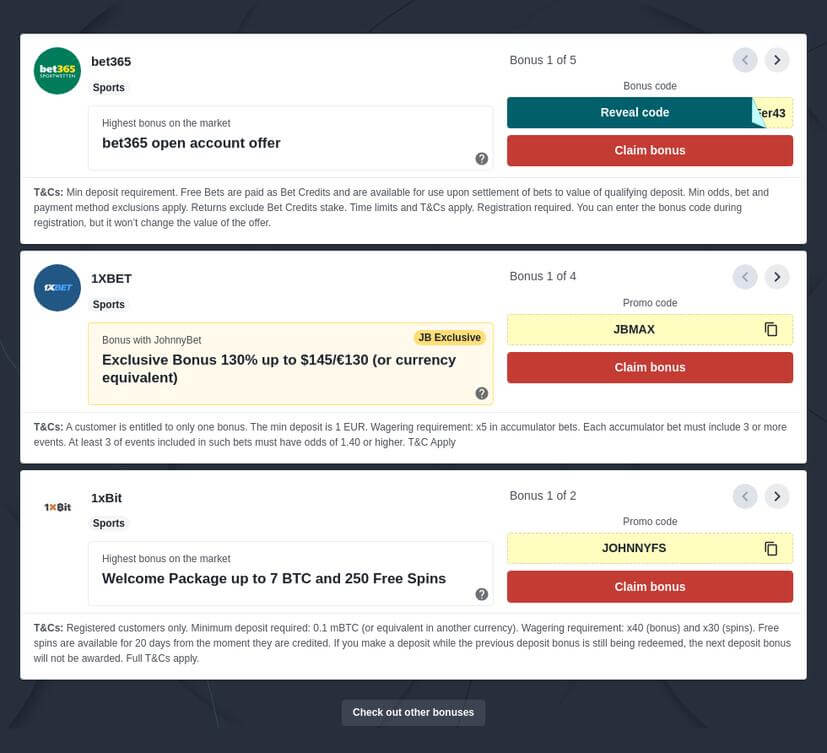
Players may look for a lucky charms casino bonus code use guide when comparing promotions. A bonus can change the amount of promotional credit available, but it does not make game outcomes predictable. Before accepting an offer, read its eligibility rules, deposit requirements, expiry date, wagering requirements, maximum bet restrictions and game contribution limits. A headline bonus amount is not the same as withdrawable cash.
Check whether a promotion is open to UK customers and whether it requires a code, an opt-in or a qualifying deposit. Do not deposit money solely to unlock a promotion you do not understand. If the terms are unclear, ask the casino’s support team to explain them in writing before taking part; Promotions should fit within a pre-set entertainment budget, not encourage extra spending.
Advantages and limitations of odds tools
Where they can help
- They can make probability and payout relationships easier to understand.
- They can help compare games when reliable, like-for-like information is available.
- They can show why rules—such as the number of roulette pockets—affect expected returns.
- They can support a more informed choice about whether a game suits your entertainment preferences.
Where they fall short
- They cannot forecast random outcomes or guarantee a win.
- They may be inaccurate if their inputs do not match the casino’s current game version.
- They can create false confidence when estimates are mistaken for personal-session predictions.
- They do not account for the emotional or financial effects of continued gambling.
Questions and answers
Can an odds calculator tell me which Lucky Charms Casino game will win?
No. It can explain probabilities based on the information supplied, but it cannot know or predict the result of a future random game round.
Does a high RTP mean I will get most of my money back?
Not necessarily. RTP is a theoretical long-run figure across a very large number of plays. Individual results can vary widely, and a short session may return far more or far less than the published percentage.
Are casino slots predictable after a losing streak?
No. A losing streak does not make a win more likely on the next spin. On a properly operated random game, previous outcomes do not determine the next one.
Should I use an external calculator?
You may use one to learn about mathematics, but check that it explains its assumptions and uses the correct rules. Never provide it with your casino password, payment details or other sensitive account information.
Final assessment
An odds calculator can make casino mathematics clearer, particularly when comparing probabilities, learning how rules affect a bet, or interpreting RTP and house edge. For Lucky Charms Casino players in the UK, the most important step is to verify the exact game details and current terms before trusting any calculation. Treat every result as information about probability—not a promise of a payout.
Gambling should be a form of paid entertainment, never a way to make money or recover losses. Set firm spending and time limits, avoid playing with borrowed money, and take a break if gambling stops being enjoyable. If it is causing harm or feels difficult to control, use available self-exclusion and blocking tools, or contact a UK gambling-support service such as GamCare for confidential help.